- Home
- Blog Articles
- How to Plan Your Louvre Museum Visit Without Getting Lost
- 5 March 2026
- 290 Views
- General
- Louvre highlights, Louvre Museum guide, Louvre museum map, Louvre wings, visit the Louvre,
The Louvre Museum is the largest museum in the world, and for many first-time visitors its enormous size can be overwhelming. With more than 35,000 artworks, three main wings, several entrances, and multiple levels, it’s very easy to spend hours walking through galleries without actually reaching the masterpieces you hoped to see.
Fortunately, exploring the Louvre doesn’t have to be confusing. With a simple strategy and a basic understanding of the museum’s layout, navigating the galleries becomes much easier. This guide provides a clear step-by-step route through the Louvre, from the moment you enter the museum until you exit, helping you see the most famous artworks without losing time wandering through endless halls.
Step 1: Choose the Most Convenient Entrance
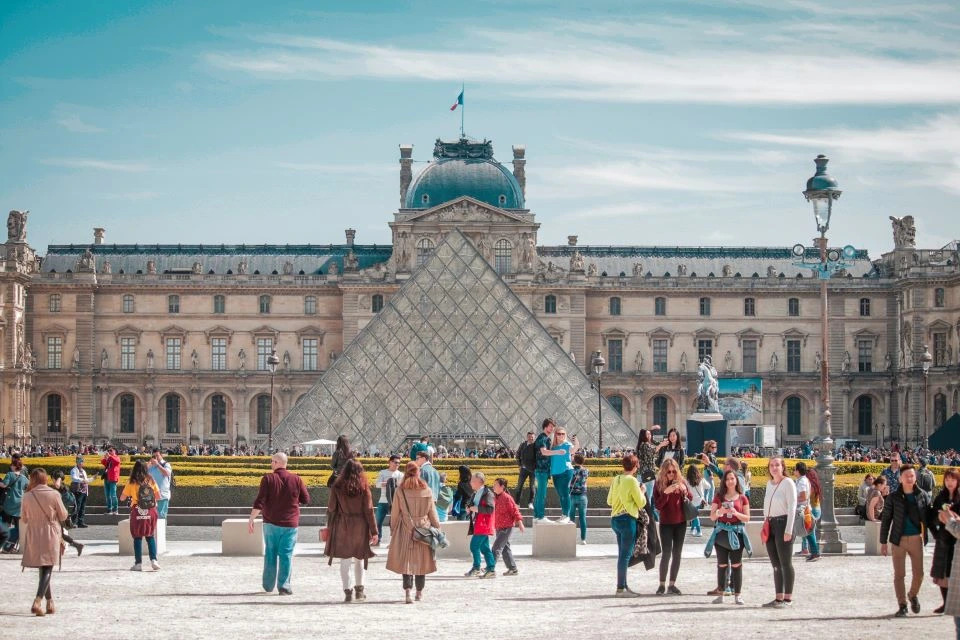
Many visitors instinctively head toward the famous glass pyramid entrance. While it is the most recognizable way to enter the museum, it is also where the longest queues usually form.
A good alternative is the Carrousel du Louvre entrance, located through the underground shopping center next to the museum. This entrance is often less crowded and can allow quicker access to security screening and ticket checks.
Another entrance sometimes used by visitors is Porte des Lions, which is generally the quietest option. However, it may close at certain times depending on the season or visitor flow.
Once you pass security and scan your ticket, you will arrive in the large central hall beneath the pyramid, which serves as the main hub of the museum and connects all three wings.
Step 2: Learn the Louvre’s Three Main Wings
Before continuing your visit, it helps to understand how the Louvre Museum is organized. The museum is divided into three main wings:
Denon Wing - The most famous area of the Louvre. Here you can find the Mona Lisa, the Winged Victory of Samothrace, and many important works by Italian masters.
Sully Wing - The oldest part of the museum. This wing includes the Egyptian Antiquities collection as well as the remains of the medieval fortress that once stood on the site.
Richelieu Wing - Known for its French sculptures, decorative arts collections, and the magnificent Napoleon III Apartments.
Because many visitors head directly toward the Denon Wing, it usually becomes the most crowded section of the museum. Knowing where each wing is located will help you move around the Louvre more easily instead of wandering aimlessly.
Step 3: Start With the Highlights in the Denon Wing
From the central hall beneath the pyramid, follow the signs pointing toward the Denon Wing. Beginning your visit here allows you to see the most famous masterpieces before the crowds increase later in the day.
One of the first artworks you’ll encounter is the Winged Victory of Samothrace, displayed dramatically at the top of a staircase. This sculpture is one of the Louvre’s most iconic works and also serves as a useful landmark inside the museum.
Continuing through the galleries will lead you to the Italian painting section, where the Mona Lisa is displayed. This room is often busy, but visiting earlier in the day usually makes the experience easier.
Nearby you can also admire famous paintings such as Liberty Leading the People and The Raft of the Medusa.
Spending about one hour in the Denon Wing is usually enough to see its main highlights.
Step 4: Discover Ancient History in the Sully Wing
After exploring the Denon Wing, return to the central area and follow the signs directing you toward the Sully Wing.
This section of the Louvre focuses on ancient civilizations and archaeological collections. One of the most fascinating areas is the Egyptian Antiquities department, where visitors can see statues, sarcophagi, and thousands of objects from ancient Egypt.
Another interesting attraction is the remains of the medieval Louvre fortress, located on the lower level. Many visitors are surprised to learn that the Louvre originally began as a defensive fortress long before becoming a royal palace and eventually a museum.
Compared with the Denon Wing, the Sully Wing is usually quieter and offers a calmer atmosphere for exploration.
Step 5: Explore Sculpture and Royal Interiors in the Richelieu Wing
The last section to visit is the Richelieu Wing, which offers a very different atmosphere from the other parts of the museum.
One of the most impressive areas here is the Cour Marly, a beautiful courtyard covered by a glass roof and filled with monumental French sculptures. Natural light enters through the glass ceiling, making it one of the most striking and photogenic places inside the Louvre.
Another highlight is the Napoleon III Apartments, where visitors can admire luxurious rooms decorated with chandeliers, ornate furniture, and rich 19th-century décor.
Because many visitors concentrate mainly on the Mona Lisa and Italian paintings, the Richelieu Wing often feels more spacious and peaceful.
Step 6: Use the Louvre Map Effectively
The Louvre map is very useful, but knowing how to use it properly can save time.
Instead of constantly checking the map while walking, stop briefly at the entrance of each wing to understand where you are and identify the key artworks nearby. Following a clear route through the museum will help avoid unnecessary backtracking.
You should also pay attention to the color-coded directional signs throughout the museum, which clearly indicate each wing and level.
Step 7: Plan Your Exit
After exploring all three wings, most visitors will have spent around three hours inside the Louvre Museum.
At that point, it’s best to return to the central hall beneath the pyramid, where all main exits are connected.
If you entered through the Carrousel du Louvre, you can exit the same way and access the underground shopping area. Alternatively, leaving through the glass pyramid courtyard provides the classic and iconic Louvre experience.
Final Tip: Focus on the Main Highlights
One of the most common mistakes visitors make is trying to see the entire Louvre Museum in a single visit. Because the museum is so large, this often leads to fatigue and frustration.
Instead, focus on the most important artworks in each wing and follow a simple route through the museum. Taking your time allows you to appreciate the art rather than rushing through endless galleries.
With a clear plan and a basic understanding of the museum’s layout, visiting the Louvre becomes much easier and far more enjoyable.
Starting from the right entrance, exploring the wings in a logical order, and using the map wisely will help you experience the Louvre in an organized and efficient way without getting lost.