- Home
- Blog Articles
- The Most Famous Events That Happened on the Seine
- 27 August 2026
- 107 Views
- General
A River That Has Watched Paris Change
Seine River History is full of dramatic moments. The Seine has done more than carry boats through the city; it has flooded neighborhoods, hosted Olympic swimmers, carried an emperor's remains home, and reflected the flames of a burning cathedral. Long before it became one of the best ways for visitors to see Paris, it was the stage for some of the country's most defining moments.
Here are some of the most notable events the river has witnessed, and where you can still see the exact spots today.
Explore Seine River Cruise Tickets
Key Moments in Seine River History
The Great Flood of 1910
In January 1910, weeks of heavy rain sent the Seine rising nearly eight meters above its normal level. Streets near the river turned into canals, boats replaced carriages in some neighborhoods, and the flood became one of the defining disasters of the era. Markers around the city, including one on the Zouave statue at Pont de l'Alma, still show how high the water reached.
The Return of Napoleon's Ashes, 1840
Nearly twenty years after his death, Napoleon Bonaparte's remains were brought back to France and carried up the Seine by ship before a grand procession through Paris. The event drew enormous crowds along the riverbanks and ended with Napoleon's burial at Les Invalides, where his tomb still stands today.
Olympic Swimming in the Seine, 1900 and 2024
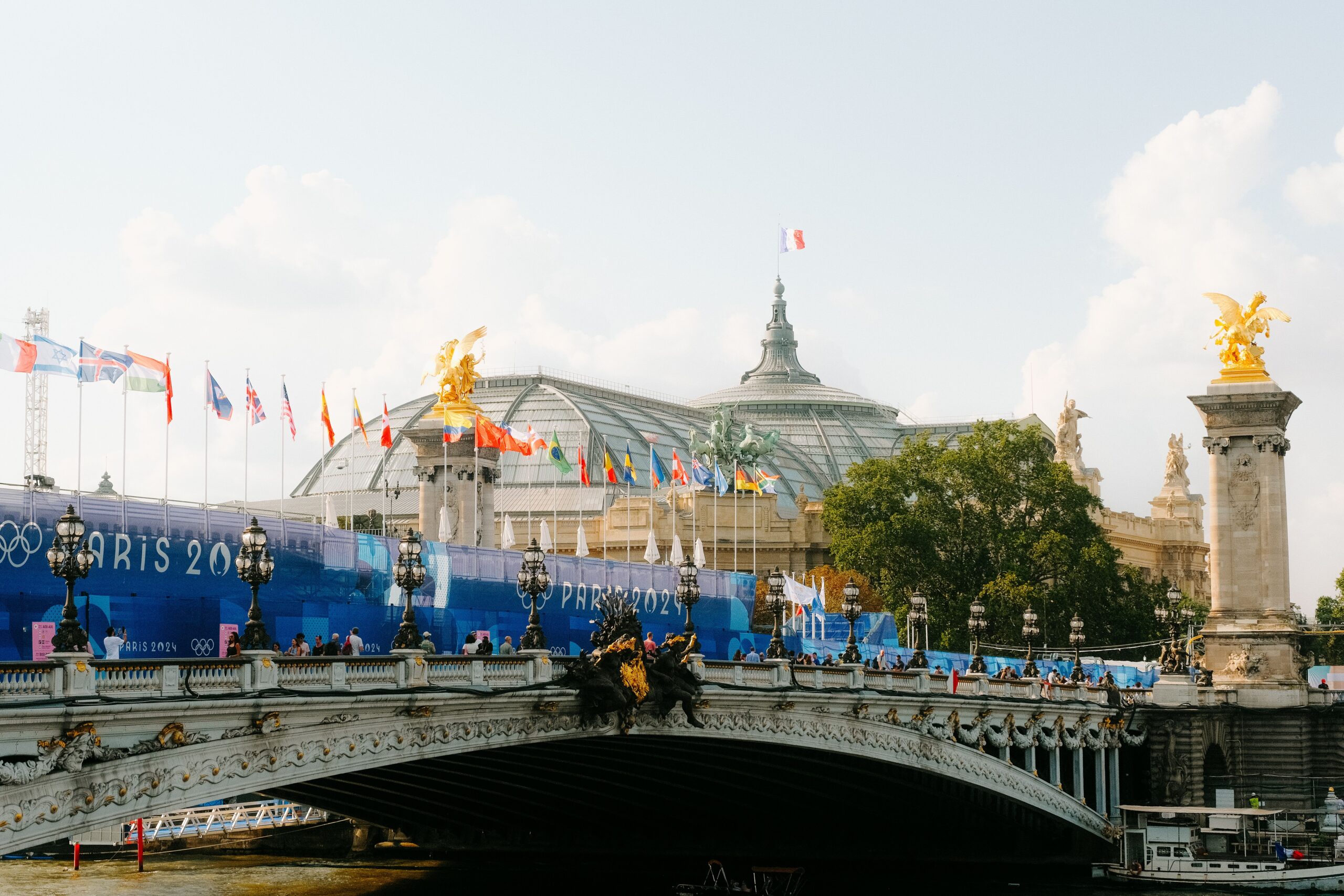
The Seine hosted Olympic swimming events during the 1900 Paris Games, long before modern water quality standards existed. More than a century later, the river returned to the Olympic spotlight in 2024, when open water swimming and triathlon events were once again held in its waters, following a major cleanup effort.
The Liberation of Paris, 1944
When Allied forces and the French Resistance liberated Paris in August 1944, crowds gathered along the Seine's bridges and quays to celebrate. Photographs from that week show the riverbanks packed with Parisians waving flags, a scene that remains one of the most iconic in the city's modern history.
The Notre-Dame Fire, 2019
On the evening of April 15, 2019, fire broke out in the roof of Notre-Dame Cathedral, one of the most recognizable buildings on the Seine's banks. Thousands watched from the quays and nearby bridges as the spire collapsed. The cathedral has since been restored and reopened to visitors, standing once again along the river it has overlooked for centuries.
Bastille Day Fireworks Over the River
Every July 14th, the Eiffel Tower becomes the centerpiece of France's national fireworks display, launched from the Champ de Mars and reflected across the Seine below. Crowds line the riverbanks for hours beforehand to secure a view, making it one of the most photographed nights of the year on the water.
See the History for Yourself
Many of these landmarks are visible from the water on a standard river cruise, giving you a chance to pass the same spots where these moments took place.
Louvre Museum
Long before it was a museum, the Louvre served as a royal palace directly on the Seine, and the river has been used to move art, treasures, and even prisoners past its walls throughout its history.
Discover Louvre Museum Tickets
Musée d'Orsay
Originally built as a train station in 1900, the same year the Seine hosted Olympic swimming events, the Musée d'Orsay's riverside building has watched over the water through more than a century of change.
Discover Musée d'Orsay Tickets
Eiffel Tower
Built in 1889, the Eiffel Tower has overlooked nearly every major event on the Seine since, from the 1910 flood to the Bastille Day fireworks it now headlines every summer.
Continue Exploring Paris's History
After learning the stories behind the river, many visitors continue exploring the same landmarks in person:
- Explore the Louvre Museum, a former royal palace on the water's edge.
- Step inside Musée d'Orsay, built the same year the Seine hosted its first Olympic events.
- Add a Seine River Cruise with French Crepe Tasting to turn the trip into a relaxed evening on the water.
Why the Seine Still Feels Historic Today
Few rivers in Europe have stayed this central to a city's identity for so long. The Seine has been a site of celebration, disaster, war, and recovery, often within view of the same bridges and buildings that still line its banks. Seeing it today, from a cruise or from the quays, means passing through the same setting where much of Paris's modern history actually happened.
Frequently Asked Questions
How high did the water rise during the 1910 flood?
The Seine rose nearly eight meters above its normal level, flooding streets and basements across large parts of the city. Markers near Pont de l'Alma still show the water line today.
Can I see where the Notre-Dame fire happened from a cruise?
Yes. Cruises that pass central Paris typically go near Notre-Dame's riverside, where you can see the restored cathedral from the water.
Did the Seine really host Olympic swimming events?
Yes, in both 1900 and again in 2024, when open water swimming and triathlon events returned to the river after a major water quality cleanup.
Is the Bastille Day fireworks show visible from a river cruise?
Regular cruise schedules typically don't run during the fireworks display itself, but the launch site at the Champ de Mars is visible from the river on any evening cruise, giving a sense of the setting.
Where is the best place to learn more about the Seine's history in person?
A river cruise past the Louvre, Musée d'Orsay, and Eiffel Tower touches on several of these events directly, since each landmark has its own connection to the river's past.
Plan Your Visit
The Seine's history is easiest to appreciate up close. Pair a river cruise with a stop at the Louvre Museum or the Musée d'Orsay, to see where much of this history actually took place.